Author: admin

  • Best VPN For China 2026

    Best VPN For China 2026

    You can use a VPN in China. That part is true.

    The problem is that a lot of them don’t work when you actually get there.

    People usually realise this the hard way. They land, connect to hotel WiFi, open their usual VPN app, and… nothing. Or it connects for a minute, then drops. Or it works one day and not the next. That’s pretty common.

    China’s internet isn’t just restricted, it’s actively filtered. Some VPNs slip through, some don’t, and the ones that do aren’t always consistent. So this isn’t really about finding the “best” VPN in the usual sense. It’s more about finding one that can stay usable long enough to matter.

    If you’re travelling or living in China, you don’t want to be troubleshooting this from inside the network. Setup matters, timing matters, and the provider you pick matters more than it would anywhere else.

    This guide sticks to what actually works, or at least what tends to work more often than not.

    Table of Contents

    Why Most VPNs Don’t Work in China

    A VPN working in your home country doesn’t mean much once you’re inside China.

    The filtering there isn’t passive. It doesn’t sit back and observe. It looks for patterns, flags them, and blocks them. Regular VPN traffic stands out more than people expect, especially if it hasn’t been disguised properly.

    A lot of VPNs fall at the first hurdle. They connect fine elsewhere, but in China, the connection gets interrupted or never establishes at all. Sometimes it looks like it’s working for a moment, then it gets cut off. Other times it just refuses to connect, no matter how many servers you try.

    Great Firewall China VPN

    There’s also the issue of consistency. A VPN might work one week and stop the next. Providers get detected, servers get blocked, and things change without much warning. That’s why you’ll see people recommending the same handful of services over and over. Not because they’re perfect, but because they tend to adapt faster.

    Another thing people underestimate is how quickly standard VPN protocols get recognised. If a provider isn’t doing anything to hide or disguise that traffic, it becomes easy to filter out.

    So when people say “my VPN works in China,” what they usually mean is “it worked for me, at that time.” That’s about as stable as it gets.

    What to Look for in a VPN for China

    You’re not looking for features here in the usual sense. You’re looking for anything that helps the connection stay up.

    Obfuscation (or stealth mode)
    This is the big one. It hides the fact that you’re using a VPN in the first place. Without it, your traffic can stand out and get blocked quickly. Different providers call it different things, but if it’s not there, the VPN usually struggles in China.

    Reliable server rotation
    Servers get blocked. That’s normal. What matters is how quickly a VPN replaces or rotates them. The better ones don’t leave you stuck on a dead server for long. There’s always another option, even if you have to try a couple.

    Stable connections, not just fast ones
    Speed matters, but stability matters more. A fast connection that drops every few minutes isn’t useful. In China, it’s often better to have something slightly slower that stays connected.

    Works on restricted networks
    Hotel WiFi, public networks, even some private connections can behave differently. A VPN that works on one network might fail on another. The more adaptable it is, the less time you spend switching settings.

    Set it up before you arrive
    This catches people out all the time. VPN websites are often blocked inside China, so downloading or setting one up after you arrive can be difficult. Install it, test it, and have it ready beforehand. Ideally, have a backup as well.

    That’s really the pattern. You’re not chasing the most features. You’re trying to avoid the ones that break when you need them.

    The 4 Best VPNs for China in 2026

    There isn’t a perfect VPN for China. The ones that work tend to work most of the time, not all the time. What you’re really choosing here is the one that fails the least often.

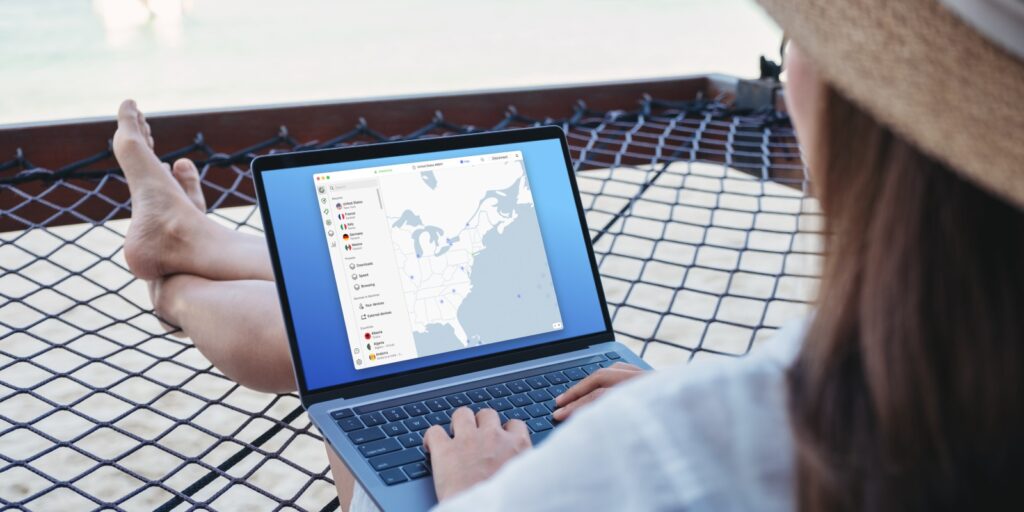
    1. NordVPN — Reliable enough, with the right settings
    Nord VPN for China top VPN

    What it does well

    • Obfuscated servers designed to get around VPN detection
    • Strong privacy setup with audited no-logs policy
    • Generally fast once connected
    • Large server network, so there are fallback options

    Where it falls short

    • Doesn’t always connect on the first try
    • Requires using specific servers or settings
    • Can feel inconsistent during tighter crackdowns

    NordVPN sits in that middle ground where it works often enough to rely on, but not effortlessly. You usually need to use its obfuscated servers to get through, which adds an extra step.

    Once it connects, it tends to be stable and fast enough for everyday use. Streaming, browsing, messaging, all fine. The issue is getting that connection in the first place, especially during periods where restrictions tighten.

    It’s often recommended as a VPN for China because it balances privacy, speed, and censorship resistance reasonably well. Not perfect, but it holds up better than most.

    Best Chinese VPN services

    Click Here To Get Up To 73% Off NordVPN Now

    2. Surfshark — Cheaper, surprisingly capable

    What it does well

    • NoBorders mode helps bypass restrictions
    • Lower price than most competitors
    • Unlimited device connections
    • Simple apps that don’t need much setup

    Where it falls short

    • Speeds can vary more than others
    • Occasional connection drops
    • Not as consistent during heavy blocking periods

    Surfshark tends to surprise people. It’s cheaper, but still manages to work in China more often than you’d expect.

    The NoBorders mode is the key feature here. It adjusts how the VPN behaves when it detects a restricted network, which helps it slip through where normal connections fail. It’s not flawless, but it’s one of the reasons Surfshark shows up so often in “best VPN for China” lists.

    If you’re travelling with multiple devices, or sharing with someone else, the unlimited connections help. Just expect the experience to vary a bit depending on timing and location.


    3. ExpressVPN — Consistent and easier to use

    What it does well

    • Works in China with minimal setup
    • Strong reliability compared to most VPNs
    • Fast, stable connections once established
    • Simple apps that don’t require tweaking

    Where it falls short

    • More expensive than most alternatives
    • Fewer advanced configuration options
    • Can still get blocked occasionally

    ExpressVPN leans more toward consistency than flexibility. It’s often the one people recommend if you don’t want to spend time adjusting settings or troubleshooting connections.

    In testing, it tends to connect more easily than many competitors, and once it’s up, it stays up. That alone makes it appealing in China, where unreliable connections are the main frustration.

    You are paying more for that simplicity, though. It’s not the cheapest option, and it doesn’t offer as many advanced tweaks. For most users, that trade-off is worth it.


    4. ProtonVPN — Strong on privacy, slightly more effort

    What it does well

    • Stealth protocol designed to bypass censorship
    • Strong privacy reputation and open-source apps
    • Good security features overall
    • Works reliably on paid plans

    Where it falls short

    • Free version doesn’t work well in China
    • Slightly more complex to configure
    • Speeds can be less consistent

    ProtonVPN approaches things from a privacy-first angle. It’s built with censorship resistance in mind, and its stealth protocol is designed to hide VPN traffic in restrictive environments.

    The important detail is that the free plan isn’t enough here. If you’re looking for a VPN that works in China, you’ll need the paid version. That’s where it becomes much more usable.

    It’s not as plug-and-play as something like ExpressVPN, but if you’re comfortable spending a bit of time setting it up, it can be a solid option.


    Quick Comparison

    VPNReliability in ChinaEase of UseObfuscationPrice Level
    NordVPNHigh (with setup)ModerateYesMid
    SurfsharkModerateEasyYesLow
    ExpressVPNHighVery easyBuilt-inHigh
    ProtonVPNModerate–HighModerateYesMid

    None of these are guaranteed to work 100% of the time. That’s the reality of using a VPN in China.

    What matters is that they work more often than most, and recover faster when something breaks.

    Do VPNs Even Still Work in China?

    Yes, VPNs still work in China. Just not in the way people expect.

    If you’re imagining a stable, always-on connection like you’d get at home, it’s not quite like that. Even the best VPN for China can be inconsistent. Some days it connects straight away. Other days you might need to switch servers, change settings, or try again later.

    That doesn’t mean VPNs are useless. It just means they’re working against an active system that’s designed to block them.

    The Great Firewall isn’t static. It changes. Providers get detected, servers get blocked, and then new ones replace them. The VPNs that still work in China are the ones that keep adapting. That’s why the list of reliable options doesn’t change much. There aren’t many that can keep up.

    Timing also plays a role. During certain periods, especially around major events or holidays, restrictions can tighten. Connections that worked the week before might suddenly struggle.

    So the honest answer is this: yes, you can use a VPN in China, and many people do every day. But you should expect some friction. It’s not broken, it’s just not seamless.

    If you go in expecting that, and you choose a VPN that’s known to work in China, you’ll avoid most of the usual frustration.

    This is where things get a bit unclear, and you won’t find a single clean answer.

    Technically, only government-approved VPN services are fully legal in China. Those are usually aimed at businesses, not individuals, and they don’t provide the same kind of open access people are looking for.

    For personal use, it sits in a grey area.

    In practice, millions of people use a VPN in China anyway. Expats, travellers, students, remote workers. It’s not unusual. Most of the time, individuals aren’t being targeted for simply using a VPN to access blocked websites or services.

    What the authorities tend to focus on is distribution or commercial use. Selling VPN services, running them, or using them at scale is a different situation entirely.

    That said, it’s still something to be aware of. Laws and enforcement can shift, and what’s tolerated one year might be treated differently the next.

    So the realistic view is this: using a VPN in China as an individual is common, but not officially encouraged. It’s widely done, just not something that’s openly supported.

    How to Use a VPN in China

    Most of the problems people run into happen before they even connect.

    The first rule is simple. Set everything up before you arrive. Download the VPN, install it on all your devices, log in, and test it properly. Don’t assume you can sort it out once you’re inside China. VPN websites are often blocked, and app stores don’t always show what you need.

    It’s also worth having a backup. Even the best VPN for China can stop working temporarily, so having a second option already installed saves a lot of hassle.

    Once you’re there, the process itself is straightforward:

    1. Open your VPN and connect before doing anything else
    2. Use obfuscated or “stealth” servers if available
    3. If a server doesn’t work, switch rather than retrying the same one
    4. Give it a few seconds to stabilise before loading anything

    If it connects, you’re usually fine to carry on as normal. If it doesn’t, changing servers or protocols often fixes it.

    One thing people forget is consistency. If you disconnect and reconnect frequently, you’ll notice more issues. Staying connected tends to be smoother than constantly switching.

    It’s not complicated, but it’s not completely hands-off either. A bit of preparation and a bit of patience goes a long way.

    Common Problems (And What to Do)

    Things will break at some point. That’s not a maybe, it’s part of using a VPN in China.

    The difference is whether you expect it, or end up stuck staring at a spinning “connecting” screen wondering what went wrong.

    It won’t connect at all
    This is probably the most common one. You open the app, hit connect, and nothing happens. Or it times out over and over. Usually, it’s the server. Try a different location, preferably one labelled for restricted regions or obfuscated traffic. If that doesn’t work, switch protocols if your VPN allows it.

    It connects, then drops after a minute
    This tends to happen when the connection gets detected after it’s established. It’s frustrating because it gives you a false start. In this case, switch to a different server straight away. Reconnecting to the same one rarely fixes it.

    Speeds are painfully slow
    Some slowdown is normal. But if pages barely load or downloads stall, it’s usually congestion or distance. Try a closer region, or just cycle through a few options until one feels usable. There’s no perfect pick here, it’s more trial and error.

    Certain apps or sites still don’t load
    Sometimes the VPN is connected, but specific services still won’t work. This can happen with stricter filtering. Switching servers often helps. Occasionally, you just have to try again later.

    It worked yesterday, now it doesn’t
    This one catches people off guard. Nothing changed on your side, but suddenly it stops working. That’s normal in China. Servers get blocked without warning. Usually the provider catches up and replaces them, but there can be a gap.

    Most of the fixes are simple. Try another server. Change a setting. Wait and try again later.

    The main thing is not to assume it’s permanently broken. More often than not, it’s temporary.

    Using the Internet in China Without a VPN

    You can get by without a VPN in China. Plenty of people do. It just feels like using a different version of the internet.

    Most Western sites and apps won’t load. Google, YouTube, Instagram, WhatsApp, a lot of news sites, all blocked. You stop reaching for them after a while, mostly because there’s no point.

    Instead, everything runs through local apps, and the big one is WeChat.

    It’s not really optional. You use it for messaging, but also for things that have nothing to do with chatting. Booking train tickets, paying in shops, ordering food, scanning QR codes for entry, even basic services like topping up your phone. It replaces a lot of things you’d normally spread across different apps.

    If you’re not set up on WeChat, you notice it pretty quickly. Payments in particular. Cash isn’t used as much as people expect, and cards don’t always work smoothly. Most transactions go through WeChat Pay or Alipay.

    Search is another adjustment.

    Baidu is the main search engine, and it works, but it doesn’t feel the same. Results are more limited, more local, and sometimes harder to navigate if you’re not used to it. Finding straightforward answers can take longer, especially if you’re searching in English. It’s usable, just not always efficient.

    So yes, you can use the internet in China without a VPN. It’s functional, and for day-to-day things, it’s often enough.

    But it’s a smaller version of the web, shaped around local services. Whether that’s fine or frustrating depends on what you’re used to.

    Free VPNs for China: Don’t Rely on Them

    This is one of those things that sounds reasonable until you actually try it.

    A free VPN for China might work in theory. In practice, most of them don’t work at all.

    The main issue is resources. Getting a VPN to work in China takes constant updates. Servers need to be replaced, traffic needs to be disguised, and connections need to adapt to filtering that changes all the time. Free VPNs don’t have the infrastructure for that. They don’t rotate server IPs fast enough, and once those IPs are blocked, that’s usually the end of it.

    Even when a free VPN does connect, it’s rarely stable. You might get a working connection for a short time, then lose it without warning. Or it works on one network but not another. That kind of inconsistency is the opposite of what you need in China.

    There are also the usual trade-offs.

    • Very limited data caps
    • Slower speeds, especially at peak times
    • No access to obfuscation or stealth features
    • Weak or missing security features

    And then there’s the part people tend to overlook. A lot of free VPNs make money by logging data or sharing it with third parties. In a normal situation, that’s already questionable. In China, where you’re relying on a VPN for privacy, it becomes a bigger problem.

    There are a couple of exceptions. Some free plans from paid providers can work occasionally, but even those are limited. One example is Windscribe, which has had some success getting through the firewall, but even then, it’s not something you’d want to depend on long-term.

    So yes, you can try a free VPN in China.

    But if you actually need a VPN that works in China, something you can rely on day to day, free options usually fall apart pretty quickly.

    Making The Right Choice For Your Trip

    Finding the best VPN for China isn’t really about features or branding. It’s about what still works when everything else doesn’t.

    A lot of VPNs look good on paper. Fast speeds, strong encryption, long server lists. None of that matters much if the connection won’t hold once you’re inside China. The ones that make this list are here because they manage to stay usable more often than most, even if they’re not perfect.

    That’s the part worth remembering. No VPN works flawlessly in China. Connections drop, servers get blocked, things change without warning. The goal isn’t perfection, it’s reliability over time.

    If you’re planning ahead, set everything up before you arrive. Give yourself a backup option. And expect a bit of trial and error, especially in the first few days.

    Once it’s working, though, it makes a big difference. Access opens up, things feel familiar again, and you’re not constantly running into blocked pages.

    That’s really what you’re paying for. Not invisibility, not guarantees, just a connection that works when you need it to.
  • Best VPNs for Torrenting in 2026

    Some people come to this looking for speed. Most are really here for something else.

    Torrenting has a way of making people suddenly care about privacy. Not in a vague, abstract sense; in a very specific, “who can see what I’m doing right now?” kind of way. And the honest answer is, without a VPN, your internet provider has a pretty clear line of sight.

    That’s where VPNs come in. Not as some magic invisibility switch, but more like a layer that blocks the obvious view. It changes what your connection looks like from the outside. It doesn’t rewrite the rules of the internet.

    The tricky part is that not every VPN is built with torrenting in mind. Some quietly restrict it. Others slow things down to the point where it’s barely usable. And a few look fine on paper, then fall apart where it actually matters.

    So instead of chasing big claims, this guide sticks to the practical side: what works, what doesn’t, and what’s actually worth paying attention to if you’re torrenting regularly.

    Table of Contents

    What Makes a VPN Good for Torrenting?

    You can get away with a mediocre VPN for casual browsing. Torrenting is less forgiving. The cracks show up pretty quickly.

    No-logs policy (the kind that actually means something)

    Every VPN says they don’t keep logs. It’s almost a default line at this point. The difference is whether that claim has ever been tested — audits, court cases, real-world scrutiny. If it hasn’t, you’re mostly taking their word for it. Sometimes that’s fine. Sometimes it isn’t.

    Kill switch (not optional, even if it sounds like it is)

    Connections drop. It happens. Without a kill switch, your traffic just falls back to your regular internet connection, which defeats the whole point. With torrenting, that gap, even a short one, is enough to expose your IP. This is one of those features people ignore right up until they need it.

    P2P-friendly servers

    Not every VPN is keen on torrenting, even if they don’t say it outright. Some limit it to specific servers. Others quietly throttle it. A good VPN makes this clear, or better yet, doesn’t make it an issue in the first place.

    Speed (because slow torrents are pointless)

    Encryption adds overhead. There’s no way around that. The question is how much. Some VPNs handle it well enough that you barely notice. Others turn a quick download into something you check back on tomorrow. Server quality and distance matter more here than most people expect.

    Leak protection (the part that’s easy to miss)

    You can be connected to a VPN and still leak information if it’s not set up properly. DNS leaks are the usual culprit. It’s not dramatic, it’s just… quiet. And that’s what makes it a problem. A solid VPN closes those gaps without you having to babysit it.

    4 Best VPNs for Torrenting in 2026

    There isn’t one perfect option here. It’s more a case of trade-offs; some lean into speed, others into privacy, a few try to balance both without making it complicated.


    1. NordVPN — The one that just works (most of the time)

    What it does well

    • Fast, consistent speeds across P2P servers
    • Audited no-logs policy with a solid track record
    • Built-in kill switch and strong leak protection
    • Automatically routes you to P2P-friendly servers
    • Extra security features (malware blocking, double VPN, etc.)

    Where it falls short

    • No port forwarding (which some torrent users care about)
    • Price jumps after renewal
    • A few features missing or limited on certain platforms

    NordVPN tends to show up everywhere for a reason. It’s not doing anything wildly experimental, it just covers the basics properly, then layers on a few extras.

    For torrenting, the biggest advantage is how little effort it takes. You don’t have to hunt for the right server or tweak settings. It quietly moves you onto a P2P-optimised connection and gets out of the way. That matters more than people expect.

    The main drawback is the lack of port forwarding. Most people won’t notice. If you’re seeding heavily or trying to squeeze out every last bit of speed, you might. Otherwise, it’s about as close to a “set it and forget it” option as you’ll get.


    2. Surfshark — Cheaper, flexible, a bit less polished

    What it does well

    • Lower long-term pricing compared to most competitors
    • Unlimited device connections
    • Supports P2P traffic across its network
    • Solid speeds, especially on nearby servers
    • Useful extras like camouflage/obfuscation modes

    Where it falls short

    • Long-distance speeds can dip
    • No port forwarding
    • Some features feel slightly hidden or less intuitive

    Surfshark is the one people end up with when they don’t want to spend much but still want something reliable. And to be fair, it usually delivers.

    Torrenting works without friction; no weird restrictions, no obvious throttling, nothing blocked. It supports P2P traffic broadly, which makes it simpler than VPNs that force you onto specific servers. ([Security.org][2])

    Where it feels a bit different is in the details. Not broken, just… slightly less refined. Speeds can vary more, and some features aren’t as clearly laid out as they should be. Still, for the price, it’s hard to argue with.


    3. ExpressVPN — Simple, fast, and doesn’t overcomplicate things

    What it does well

    • Very strong, consistent speeds
    • P2P supported across servers
    • Clean, simple apps that don’t need explaining
    • Reliable encryption and privacy setup
    • Works well straight out of the box

    Where it falls short

    • More expensive than most alternatives
    • Fewer advanced features
    • No port forwarding

    ExpressVPN is what you recommend to someone who doesn’t want to think about it too much.

    It’s quick, stable, and predictable. Torrenting works without needing to dig through menus or figure out which server is “allowed.” That simplicity is the main selling point. ([Security.org][2])

    The trade-off is that it doesn’t go as deep as some others. You won’t find as many advanced controls or niche features. For most people, that’s fine. For more technical users, it can feel a bit limited.


    4. ProtonVPN — Privacy-first, with a bit more control

    What it does well

    • Strong privacy reputation and open-source apps
    • Supports port forwarding (rare, and useful for torrenting)
    • High speeds on well-optimised servers
    • Dedicated P2P servers
    • Good leak protection and transparency

    Where it falls short

    • Free plan doesn’t support torrenting
    • Slightly more complex to use
    • Can be more expensive depending on plan

    ProtonVPN leans harder into the privacy side of things than most. It’s less about convenience, more about control.

    For torrenting, the standout feature is port forwarding, something most big VPNs skip. It can make a noticeable difference if you’re downloading and uploading regularly, especially on larger torrents.

    The trade-off is that it’s not quite as plug-and-play. You might spend a bit more time picking servers or adjusting settings. Nothing difficult, just less automatic than something like NordVPN.


    Quick Comparison

    VPNSpeedP2P SupportPort ForwardingEase of UsePrice Level
    NordVPNVery fastDedicated servers❌ NoVery easyMid-high
    SurfsharkFastBroad support❌ NoEasyLow
    ExpressVPNVery fastAll servers❌ NoVery easyHigh
    ProtonVPNFastDedicated servers✅ YesModerateMid

    None of these are flawless. That’s not really how VPNs work.

    What you’re looking for is the one that lines up with how you torrent — whether that’s speed, simplicity, or squeezing out a bit more control. Most of the time, the differences only show up after a few days of actually using them.

    Is Torrenting With a VPN Actually Safe?

    It’s safer. That’s probably the most accurate way to put it. Not completely safe, not risk-free, just… a lot less exposed than doing it without one.

    When you’re connected to a decent VPN, your real IP address isn’t the thing being shown anymore. The outside world sees the VPN server instead. Your internet provider sees encrypted traffic going somewhere, but not what you’re actually doing with it. That alone closes off the most obvious line of visibility, which is why people use VPNs for torrenting in the first place.

    But there are a few catches that don’t get talked about as much.

    Connections aren’t perfectly stable all the time. They drop, even if it’s only for a second. If that happens and your VPN doesn’t have a kill switch enabled, your normal connection steps back in like nothing happened. No warning, no big alert. Just quietly exposing your real IP again. It’s one of those things that sounds unlikely until it isn’t.

    Then there are leaks. DNS leaks are the usual one. You can be “connected” to a VPN and still have certain requests slipping outside the tunnel. Not in a dramatic, obvious way. More like a small gap you didn’t realise was there. Good VPNs plug that by default. Others leave it up to you, which is where mistakes creep in.

    And that’s really the pattern here. Most of the risk comes from setup, not the idea of using a VPN itself.

    People open their torrent client before the VPN connects. Or they assume everything is working without checking. Or they pick a free VPN that looks fine on the surface but cuts corners behind the scenes. None of these feel like big mistakes at the time. They add up.

    So yes, using a VPN for torrenting does what you expect it to do. It hides your activity from your ISP and replaces your visible identity with something else. That’s a meaningful layer of privacy.

    Just don’t treat it like a guarantee that nothing can go wrong. It’s more like closing the blinds. It stops people from looking in easily, but it still depends on whether you’ve actually shut them properly.

    Can Your ISP See Torrenting With a VPN?

    Short answer, no. Your ISP cannot see torrenting activity when you’re using a VPN properly. Not the files, not the trackers, not the BitTorrent protocol itself.

    What they see instead is far less specific.

    Once you connect to a VPN, your traffic is encrypted before it leaves your device. So instead of your ISP seeing connections to torrent peers or specific websites, they see an encrypted tunnel going to a VPN server. That’s the only visible destination. Everything inside that tunnel is unreadable.

    From their perspective, data is moving back and forth between you and that server. That’s all they have to work with.

    There are still a few things they can observe:

    • That you’re using a VPN
    • When you connect and disconnect
    • How much data you transfer

    The data volume part is worth paying attention to. Torrenting often involves large downloads or long sessions, so the total usage can stand out. It doesn’t tell them what you’re doing, but it does show that something relatively heavy is happening.

    Where problems start is when the VPN isn’t set up properly.

    If the connection drops and there’s no kill switch, your real connection takes over again. At that point, your ISP can see your traffic in the usual way, including torrent activity. DNS leaks can also expose parts of your activity, especially the domains you’re trying to access, even if the rest of the traffic stays encrypted.

    This is why the details matter more than people expect.

    A properly configured VPN for torrenting should:

    • Encrypt all traffic leaving your device
    • Hide your real IP address
    • Route DNS requests through the VPN
    • Block internet access if the VPN disconnects

    When all of that is working, your ISP cannot see torrenting activity. They can only see that you’re connected to a VPN and transferring data.

    So the clearer way to put it is this: your ISP can see that you’re using a VPN. They can’t see that you’re torrenting through it.

    Free VPNs for Torrenting: Are They Worth It?

    This is where things usually go wrong.

    On the surface, a free VPN for torrenting sounds like an easy win. No cost, same basic idea, privacy handled. In practice, it rarely plays out that cleanly.

    Most free VPNs either restrict torrenting outright or quietly make it difficult. Some block P2P traffic completely. Others allow it, but only on a handful of overloaded servers that crawl under any real load. What you end up with is something that technically works, but not in a way you’d want to rely on.

    Then there’s the bigger issue, which is how those services make money.

    Running a VPN isn’t cheap. Servers, bandwidth, infrastructure, all of it adds up. If you’re not paying for the product, the product has to pay for itself somehow. That can mean logging activity, injecting ads, selling data, or cutting corners on security. Not every free VPN does this, but enough of them do that it’s not something to ignore.

    Even the better-known free options come with trade-offs. Data caps, speed limits, fewer servers, no support for torrenting on free plans. You’re either restricted or nudged toward upgrading.

    There are exceptions, but they’re limited. And even then, “works” is not the same as “works well.”

    If you’re only downloading something occasionally and you understand the limitations, a free VPN might get you by. For regular torrenting, it tends to become frustrating pretty quickly.

    Most people end up switching to a paid VPN anyway, usually after dealing with slow speeds, blocked downloads, or connections that don’t hold up.

    So are free VPNs for torrenting worth it? In most cases, not really. They exist, they function, but they’re not built for the kind of consistent use that torrenting usually involves.

    How We Chose These VPNs

    There’s no shortage of VPN lists online. Most of them look similar for a reason. The difference usually comes down to how much actual testing sits behind them.

    For this guide, the focus was simple. Not features on paper, but how well each VPN holds up when you’re actually torrenting.

    We looked at:

    • P2P support
      Whether the VPN allows torrenting at all, and if it restricts it to specific servers or handles it across the network.
    • Speed under load
      Not peak speeds, but how stable things stay during larger downloads or longer sessions. Some VPNs start fast and then fall off.
    • IP and DNS leak protection
      A VPN for torrenting needs to keep your real IP hidden consistently. Even small leaks defeat the point.
    • Kill switch reliability
      It’s easy to list this as a feature. It’s more important that it actually works when the connection drops.
    • Logging policies
      We looked at whether “no logs” claims have been tested in any meaningful way, not just written on a homepage.
    • Ease of use
      Torrenting with a VPN shouldn’t require constant checking or manual fixes. The best options tend to work quietly in the background.

    Nothing here is based on a single metric. It’s more about how each VPN behaves over time, especially when you’re relying on it regularly.

    FAQ: VPNs and Torrenting

    Using a VPN for torrenting is legal in most countries. The VPN itself is simply a privacy tool. The legality depends on what you’re downloading. Torrenting copyrighted material without permission can still be illegal, whether you use a VPN or not. What a VPN does is hide your IP address and encrypt your traffic, so your ISP can’t see your torrenting activity directly. It changes visibility, not the law.


    What is the best VPN protocol for torrenting?

    For most people, WireGuard is the best VPN protocol for torrenting. It’s faster, more efficient, and tends to handle large downloads better. OpenVPN is still a solid option if you want something more established, but it’s usually a bit slower. If your goal is fast torrenting with a VPN, WireGuard is the one most providers lean on now.


    Do I need port forwarding for torrenting?

    Not always. You can torrent safely with a VPN without port forwarding, and most people do. That said, port forwarding can improve speeds and help with seeding, especially on larger torrents. The trade-off is that fewer VPNs support it, and it adds a bit more setup. If you’re just downloading occasionally, you probably won’t notice the difference.


    Can I torrent without a VPN?

    You can, but it’s not private. Without a VPN for torrenting, your real IP address is visible to your ISP and other peers in the swarm. That means your activity can be tracked much more easily. A VPN adds a layer of privacy by hiding your IP and encrypting your connection, which is why most people use one when downloading torrents.


    Will a VPN slow down torrenting?
    Yes, but how much depends on the VPN. Any VPN adds some overhead because your traffic is being encrypted and routed through another server. A fast VPN for torrenting will keep that slowdown minimal, often to the point where you barely notice it. A slower or overloaded VPN can make downloads feel noticeably slower. Server choice and distance matter here more than most people expect.


    Can free VPNs be used for torrenting?
    Some free VPNs allow torrenting, but they’re usually limited. Many block P2P traffic entirely, while others restrict speeds, bandwidth, or server access. Free VPNs for torrenting also come with more risk around logging and reliability. If you’re planning to torrent regularly, a paid VPN tends to be the more stable and predictable option.

  • Best VPNs for Netflix in 2026 (Because Not All VPNs Are Equal)

    If you have ever opened Netflix on your phone only to find the library wildly different from the version you saw two countries away, you’re not imagining things.

    Netflix does not show the same content everywhere. Licensing agreements, regional rights, and old-fashioned territorial restrictions mean that what you get in the UK, the US, Japan, or Brazil can be drastically different. It drives people nuts. One person’s binge-worthy queue could be another’s barren wasteland.

    This inconsistency is why people reach for VPNs. A VPN (virtual private network) can make your connection appear to come from a different country. In theory, that means you should be able to open Netflix and see whatever library is associated with that region — even if you are physically somewhere else.

    In practice, this has turned into a cat-and-mouse game. Netflix aggressively blocks most VPNs. Providers scramble to stay ahead. Some VPNs work most of the time. Others work sometimes. Many don’t work at all.

    This guide is for the VPNs that actually still work with Netflix in 2026, and the real-world reasons why they are reliable where most others fail.

    Table of Contents


    Why Netflix Blocks VPNs, and Why That Matters

    Let’s be clear about something: Netflix does not block VPNs because it has something against freedom of movement. It blocks them because of licensing.

    When a studio sells broadcasting rights to Netflix, it often does so on a country-by-country basis. A film might be licensed to Netflix in the US but not in the UK, or vice versa. The language in these contracts is strict, and Netflix is contractually obliged to enforce them.

    That enforcement shows up as geo-restriction — “This title isn’t available in your location” — even if you have a perfectly valid Netflix subscription.

    From a technical perspective, Netflix can detect VPN IP addresses because large VPN providers use shared IP pools. One IP might serve dozens or hundreds of users. That is convenient for anonymity. It is not convenient for geo-blocking.

    When a group of IPs is being used en masse from non-residential locations, it raises a red flag. Netflix will slap a block on that IP range. That is why many VPNs that worked a year ago no longer work today.

    The upshot is this: not all VPNs can unblock Netflix reliably. And the ones that do have to do more than just advertise “Netflix support.” They need constantly refreshed IPs, good routing, and a commitment to staying ahead of Netflix’s blocking techniques.


    Our Top VPN Picks for Netflix (That Actually Work)

    Instead of a laundry list that includes every self-professed “Netflix VPN,” below are the services that consistently opened Netflix libraries in our tests over time:

    1. NordVPN — Best Overall Netflix VPN
    2. ExpressVPN — Best for Netflix on All Devices
    3. Surfshark — Best Budget Option That Works
    4. Proton VPN — Strong Privacy-First Netflix Access

    Each of these has proven itself across multiple Netflix regions and multiple testing sessions, not just a single “it worked once” snapshot.


    🥇 NordVPN – Best Netflix VPN Overall

    NordVPN has become our default recommendation because it blends reliability, speed, and consistent Netflix compatibility in a way few competitors manage.

    Netflix tries to block VPN IP addresses aggressively. NordVPN responds by regularly rotating and refreshing its UK, US, Canadian, Japanese, and other region servers. In everyday use, this means you can stream libraries in multiple countries without spending half your viewing time hunting for a “working server.”

    What makes NordVPN stand out specifically for Netflix:

    • A proven track record of unblocking US, UK, Japan, Canada, and other major libraries
    • Excellent throughput speeds, even on long-distance connections
    • Minimal buffering or quality degradation when streaming in HD or 4K
    • Good integration across phones, laptops, tablets, and streaming devices

    NordVPN is not perfect — occasionally a server will fail, or you might have to switch to a different country’s location — but it works more consistently than almost any other mainstream VPN.

    It is our go-to pick if Netflix access across regions is your primary goal.


    🥈 ExpressVPN – Best for Netflix on Every Device

    If NordVPN is the reliable workhorse, ExpressVPN is the polished all-rounder that rarely lets you down regardless of how you watch.

    Where ExpressVPN excels is device support. Not every VPN has a native app on Fire TV Stick, Apple TV, or popular router firmware. ExpressVPN does. It also offers Smart DNS, which helps devices that don’t support VPN apps directly (like some game consoles) to access geo-restricted libraries.

    Here’s why ExpressVPN works so well with Netflix:

    • Very strong unblocking ability across all major Netflix regions
    • Built-in Smart DNS option for streaming on TVs and consoles
    • Excellent speeds out of the box — great for HD and 4K
    • Very high success rate even when Netflix updates its blocks

    The trade-off is cost. ExpressVPN often comes at a premium price compared with other services. But if you watch Netflix everywhere — phone, tablet, laptop, TV — that added polish is worth it.


    🥉 Surfshark – Best Budget VPN for Netflix

    Not everyone wants to pay top tier prices for Netflix access — or a VPN.

    Surfshark proves you do not have to. It offers surprisingly good Netflix unblocking power considering its price point, and it does so with unlimited simultaneous connections.

    Here’s why Surfshark is worth a look:

    • Works with US, UK, and other international Netflix libraries
    • Unlimited device connections so you can stream on all your gadgets at once
    • Good compromise between price and performance
    • Simple apps that make switching regions easy

    Surfshark is not as bullet-proof as NordVPN or ExpressVPN, especially on less popular libraries, but for most countries’ major Netflix libraries it holds up well enough that you rarely notice a hiccup.


    🔐 Proton VPN — Best for Privacy-Minded Netflix Users

    Proton VPN is not strictly a “Netflix VPN,” but it deserves a mention because it regularly unblocks Netflix and does so with a strong privacy ethos.

    Where it differs from most competitors is its privacy orientation. Proton runs under Swiss jurisdiction, offers strong no-logs policies, and maintains transparent infrastructure that appeals to people who care about privacy as well as streaming.

    Proton VPN’s strengths for Netflix include:

    • Reliable Netflix unblocking in major libraries
    • Strong privacy practices and audited no-log policies
    • Free tier that sometimes works (with limitations)
    • Good performance on paid plans

    Proton’s free version is worth exploring if you just want to test red region libraries. But if Netflix access is your main goal and you want consistently strong performance, a paid tier is usually required.


    How Netflix Detection Really Works

    Most people assume Netflix is blocking VPNs because Netflix Just Doesn’t Like Them. That is not quite accurate.

    Netflix is enforcing content licensing agreements, which means it has an economic incentive to police where people are watching what. And the easiest way to do that is by looking at IP addresses.

    Here’s the tech real talk:

    • Netflix maintains a massive IP blocklist of known VPN endpoints
    • Providers that use shared IPs are easier to detect because many users come from the same address
    • Frequent IP rotation and large IP pools reduce the chances of a block
    • Netflix also uses DNS and traffic pattern analysis to catch VPN traffic

    This is why Netflix blocks most VPNs — not all of them, and not constantly — but often enough that casual or one-trick VPNs fail regularly.

    A good Netflix VPN does not only need a UK address. It needs to behave in a way that does not look like a proxy farm to Netflix’s detection systems.


    Netflix VPN Testing Tips That Actually Matter

    You can launch half a dozen VPN apps and find that some say “Netflix supported” but fail in practice.

    Here are the tricks that actually work when you test for Netflix:

    Try different servers
    A lot of VPNs have multiple UK and US locations. If one does not work, another might. This isn’t a bug — it’s the nature of how blocks happen.

    Clear cookies or open incognito
    Sometimes Netflix remembers your last failed geo-location. Clearing cookies resets that.

    Check your DNS
    A VPN that leaks your DNS requests will still give away location data. Leak protection is essential.

    Test at different times
    Netflix blocks work in phases. A server might work at 2 pm and fail at 8 pm. Good providers rotate and adapt faster.

    Prefer providers with Smart DNS
    Smart DNS isn’t a VPN, but it can help devices that do not support VPN apps. ExpressVPN leads here.

    These steps make Netflix unblocking less of a guessing game and more of a small strategy.


    Streaming Quality: Speed Is Important

    It is not enough to get in. You want Netflix to stream smoothly. Buffering mid-episode is the most annoying thing on the internet that is not a dial-up modem.

    A VPN affects performance in two ways:

    1. Latency – How long it takes for Netflix requests to reach the server
    2. Throughput – How much data you can push reliably once you are connected

    Fast VPNs (NordVPN, ExpressVPN) tend to be good on both. Budget options (Surfshark) may have slightly more variability on long-distance hops. Free or small VPNs rarely excel in speed tests.


    Short answer: Yes.
    Netflix does not file criminal complaints against people who use VPNs. They will, however, enforce their terms of service, which explicitly prohibit bypassing geo-blocks.

    That means you could, in theory, have your Netflix account restricted if you consistently violate these terms. In practice, bans are rare and usually tied to more serious misuse rather than casual region access.

    This is more a contractual thing than a legal one.


    Final Thoughts: The Right VPN Changes Your Netflix Experience

    This is not hyperbole.

    A VPN that actually works with Netflix turns browsing from a frustrating lottery into a predictable streaming setup. You stop wondering if a show will be available when you travel. You stop being locked into a single region’s catalogue.

    Not every VPN you see advertised can do that.

    NordVPN and ExpressVPN remain the most reliable options because they treat Netflix unblocking as an ongoing commitment, not a marketing checkbox. Surfshark gives you nearly the same thing at a price that feels less shocking. Proton VPN is the privacy-minded wildcard that also happens to work with Netflix when you need it.

    The common thread? These services update continuously to stay ahead of Netflix’s countermeasures, which is the only way to keep streaming libraries open year after year.

  • The Best VPNs for BBC iPlayer (And Why Most of Them Fail)

    If you have ever tried to open BBC iPlayer outside the UK, you already know how this story goes.

    You click play.
    You wait a second.
    Then you get politely told that BBC iPlayer “only works in the UK.”

    It does not matter if you are British. It does not matter if you pay the licence fee. It does not matter if you are travelling for work, studying abroad, or just temporarily elsewhere. If your internet connection does not look British, BBC iPlayer shuts the door.

    That is not a technical glitch. It is deliberate.

    BBC iPlayer is one of the most aggressively geo-restricted streaming platforms on the internet. It works hard to detect VPNs, proxy servers, and anything else that might suggest you are not physically located in the UK. And it succeeds more often than most people expect.

    This is why searching for “VPN for BBC iPlayer” usually ends in frustration. Plenty of VPNs claim to work. Very few actually do, and even fewer keep working for long.

    Table of Contents


    Why BBC iPlayer Is So Hard to Unblock

    BBC iPlayer is funded by UK television licence fees. Because of that, it is legally required to restrict access to UK viewers only. Unlike some streaming services that quietly tolerate VPNs, the ‘beeb’ actively tries to block them.

    It does this in a few ways.

    First, it checks your IP address against location databases. If your IP is not registered as UK-based, access is denied immediately.

    Second, it monitors traffic patterns. VPN servers often carry traffic from hundreds or thousands of users at once. That behaviour looks very different from a normal home broadband connection.

    Third, it maintains blocklists of known VPN IP addresses. Once an IP is identified as belonging to a VPN provider, it often stops working entirely.

    This means that many VPNs will work once, maybe twice, and then fail. The next time you try to stream, you get the error message again.

    A VPN that reliably unblocks BBC iPlayer needs three things: a large pool of UK IP addresses, frequent rotation of those IPs, and enough infrastructure to handle peak streaming hours without falling apart.

    That combination is rarer than most marketing pages suggest.


    Our Top VPNs for BBC iPlayer

    After repeated testing, long-term use, and plenty of frustration with services that promise more than they deliver, these are the VPNs that consistently work with BBC iPlayer.

    1. NordVPN – Best BBC iPlayer VPN Overall

    NordVPN earns the top spot because it is the least temperamental option. It does not require constant trial and error, and it rarely forces you to hunt through server lists hoping one still works.

    Its UK server network is large enough that the BBC struggles to block everything at once. When one server stops working, another usually works immediately. In practice, this means less time troubleshooting and more time actually watching something.

    Streaming performance is also strong. Even when connecting to the UK from long distances, NordVPN maintains stable speeds that handle HD streaming without buffering. That matters more than raw speed numbers, which look impressive in marketing but mean little if the stream keeps stalling.

    NordVPN works well on phones, laptops, tablets, and smart TVs that support VPN apps. It is particularly reliable on desktop and mobile, where BBC iPlayer is most commonly used.

    The main limitation is that NordVPN’s Smart DNS feature does not support BBC iPlayer. If you plan to stream primarily on devices that cannot run VPN apps, that may matter.

    For most people, though, NordVPN is the simplest and most reliable way to access BBC iPlayer outside the UK.


    2. ExpressVPN – Best for Streaming Across Many Devices

    ExpressVPN approaches BBC iPlayer a little differently. It focuses less on sheer server volume and more on consistency across platforms.

    Where ExpressVPN really shines is device compatibility. If you want BBC iPlayer on a Fire TV Stick, Apple TV, or even through a router setup, ExpressVPN makes that process far less painful than most competitors.

    Its speeds into the UK are excellent, often among the fastest we see. More importantly, they are stable. Streams load quickly and stay smooth, even during busy evening hours when BBC iPlayer traffic spikes.

    ExpressVPN also offers a Smart DNS feature that works with BBC iPlayer, which is genuinely useful if you stream primarily on devices that do not support VPN apps directly.

    The downside is price. ExpressVPN costs more than most alternatives. You are paying for polish, support, and convenience rather than raw value.

    If you want BBC iPlayer to work on every screen you own without fiddling, ExpressVPN is hard to beat.


    3. Surfshark – Best Budget VPN for BBC iPlayer

    Surfshark proves that you do not have to spend premium money to get reliable BBC iPlayer access.

    It offers a surprisingly large number of UK servers and does a decent job of rotating IP addresses before they get burned. In day-to-day use, BBC iPlayer works more often than not, especially on desktop and mobile.

    Surfshark’s biggest advantage is value. It allows unlimited simultaneous connections, which means you can stream on multiple devices at once without worrying about limits. For households or frequent travellers, this makes a real difference.

    Streaming speeds are generally good, though not quite as consistent as NordVPN or ExpressVPN during peak hours. Occasional buffering can happen, particularly when connecting from far outside Europe.

    Surfshark also lacks Smart DNS for BBC iPlayer, which limits its usefulness on some TV devices.

    If price matters and you still want dependable access to BBC iPlayer, Surfshark is a very solid compromise.


    4. Windscribe – Best Free VPN That Sometimes Works With BBC iPlayer

    Free VPNs and BBC iPlayer usually do not mix. Most free services are blocked almost instantly, if they work at all.

    Windscribe is one of the rare exceptions.

    Its free plan includes UK servers, which is unusual, and it does occasionally unblock BBC iPlayer. When it works, streaming quality is acceptable for casual viewing.

    There are important caveats.

    The free plan comes with a data cap, which limits how much you can stream each month. Server availability is limited, and during busy periods, performance can drop sharply. Support is also minimal.

    Windscribe is best seen as a temporary solution or a way to test whether BBC iPlayer access is possible from your location before committing to a paid VPN.

    It is not a long-term replacement for a paid service if you stream regularly.


    Why Some VPNs Stop Working With BBC iPlayer

    A common complaint is that a VPN “used to work” and then suddenly stopped.

    This is normal.

    BBC actively blocks VPN IP addresses. When a VPN provider does not rotate its IPs quickly enough, those servers get flagged. Once that happens, no amount of reconnecting will fix the problem.

    This is why smaller VPNs, or VPNs that rely heavily on virtual servers, struggle with BBC iPlayer. They simply do not have enough IP addresses to stay ahead of blocklists.

    Good BBC iPlayer VPNs treat this as an ongoing battle, not a one-time setup.


    Tips for Getting BBC iPlayer Working Smoothly

    Even with the right VPN, a few small adjustments can help.

    Try different UK servers if one does not work.
    Clear cookies or open a private browsing window before retrying.
    Make sure DNS leak protection is enabled in your VPN app.
    Restart the BBC iPlayer app after connecting to the VPN.

    These steps sound basic, but they solve a surprising number of issues.


    Using a VPN is legal in most countries. Watching BBC iPlayer outside the UK using a VPN violates BBC’s terms of service, not criminal law.

    This distinction matters.

    You are not committing a crime by using a VPN to access BBC iPlayer. You are simply bypassing a geographic restriction imposed by the service.

    Each person has to decide whether they are comfortable with that trade-off.


    Closing Thoughts

    BBC iPlayer is one of the hardest streaming platforms to unblock reliably. Most VPNs fail not because they are bad VPNs, but because BBC is very good at what it does.

    If you want the least hassle, NordVPN is the safest recommendation.
    If you want BBC iPlayer on every device imaginable, ExpressVPN excels.
    If you want solid performance at a lower price, Surfshark delivers.
    If you want a free option for occasional use, Windscribe is worth a look.

    The key is choosing a VPN that treats BBC iPlayer access as an ongoing priority, not a marketing bullet point.

  • Can A VPN Slow Down Your Internet?

    Short answer: yes, a VPN can slow down your internet.

    Longer, more honest answer: sometimes, a little, and often not in any way you’ll actually notice.

    This question shows up in Google constantly, usually right after someone installs a VPN, runs a speed test, and panics because the number is lower than it was five minutes ago. That reaction is understandable. Internet speed is one of those things people notice instantly when it changes, even slightly.

    But the relationship between VPNs and speed is more nuanced than “VPN equals slow internet.” In fact, in some cases, a VPN can even make certain connections feel faster.

    Let’s unpack what’s really going on.

    Table of Contents


    Why a VPN Can Slow Things Down

    A VPN changes the route your internet traffic takes.

    Normally, when you visit a website, your data travels straight from your device to your internet service provider, then out to the site’s server. It’s a fairly direct path.

    When you use a VPN, your traffic takes a detour. It goes from your device to the VPN server first, gets encrypted along the way, then continues on to the destination website. On the way back, the process reverses.

    That extra step introduces three possible slowdowns.

    1. Encryption Overhead

    Encrypting and decrypting data takes processing power. On modern devices, this cost is small, but it is not zero.

    If you are using a very old phone, a low-powered router, or a cheap streaming stick, encryption can shave a bit off your speeds. On a modern laptop or phone, this is usually negligible.

    2. Server Distance

    If you connect to a VPN server far away from your physical location, your data has farther to travel. That increases latency, which can make things feel slower, especially for gaming, video calls, or browsing very interactive websites.

    Connecting from Europe to a US VPN server will almost always be slower than connecting to a nearby European one.

    This is not a VPN flaw. It’s geography.

    3. Server Load

    VPN servers handle traffic from many users at once. If a provider overcrowds its servers or skimps on infrastructure, performance can drop during busy hours.

    This is where the difference between a good VPN and a mediocre one becomes very obvious.


    When a VPN Barely Affects Speed

    Here’s the part most people don’t expect.

    On a decent VPN, connected to a nearby server, the speed difference is often small enough that you won’t notice it outside of speed tests. Streaming still works. Downloads still complete quickly. Browsing feels normal.

    In real-world use, shaving 5 to 10 percent off your maximum speed rarely matters unless you are already on a very slow connection.

    If you have a 300 Mbps home connection and a VPN drops it to 260 Mbps, nothing meaningful has changed for Netflix, YouTube, or general browsing.

    Speed tests obsess over numbers. Actual internet usage does not.


    Can a VPN Ever Make Your Internet Faster?

    Surprisingly, yes. In specific situations.

    Some internet providers throttle certain types of traffic. Streaming, torrenting, or gaming traffic can sometimes be slowed during peak hours. When you use a VPN, your ISP can no longer easily see what kind of traffic you’re generating.

    As a result, throttling rules may no longer apply, and speeds can improve.

    This does not happen everywhere, and it is not guaranteed. But it is common enough that people occasionally see higher streaming or download speeds with a VPN enabled.

    The VPN is not magically making the internet faster. It is simply preventing artificial slowdowns imposed by your provider.


    Why Free VPNs Are Usually Slow

    If you’ve ever tried a free VPN and thought, “Wow, VPNs are unusable,” the VPN was not the problem. The business model was.

    Free VPNs almost always suffer from:

    • Overcrowded servers
    • Limited bandwidth
    • Fewer server locations
    • Lower priority traffic handling

    They are designed to upsell you to a paid plan, not to deliver high performance indefinitely.

    A slow free VPN tells you almost nothing about how a good paid VPN performs.


    Does Speed Matter for Everything?

    Not equally.

    Streaming

    Most HD streaming requires far less bandwidth than people think. A stable 10 to 15 Mbps connection is enough for HD video. For 4K, you want closer to 25 Mbps.

    If your VPN can consistently deliver those numbers, buffering will not be an issue.

    Browsing and Social Media

    These activities use very little bandwidth. Latency matters more than raw speed, and most decent VPNs handle this well on nearby servers.

    Gaming

    Gaming is more sensitive. A VPN can increase ping, especially if you connect to a distant server. Some gamers use VPNs selectively or only connect to servers close to their physical location.

    Torrenting and Large Downloads

    Here, speed matters more. A good VPN with well-provisioned servers will perform almost as fast as your normal connection. A bad one will crawl.


    How to Minimize Speed Loss With a VPN

    If speed is a concern, a few simple choices make a big difference.

    Connect to the closest server possible unless you specifically need a different location.
    Use modern protocols like WireGuard when available.
    Avoid peak-time servers that show high load in the app.
    Do not rely on free VPNs for performance testing.

    Most VPN apps now show server load or automatically select the fastest option. Use those features.


    Why Some VPNs Are Faster Than Others

    Speed differences come down to infrastructure.

    Good VPNs invest heavily in server capacity, modern protocols, and network optimization. They rotate IP addresses efficiently and avoid overcrowding.

    Bad VPNs rent cheap servers, oversell them, and hope users won’t notice.

    This is why two VPNs can produce wildly different results on the same connection, even though they claim similar features.


    So, Should Speed Stop You From Using a VPN?

    For most people, no.

    If you choose a reputable VPN and connect sensibly, the speed impact is minor. In day-to-day use, it often disappears into the background entirely.

    The internet feels slower when it is unstable, not when it is a few percentage points less fast on paper.

    A VPN that is well-built, properly configured, and used intelligently should not ruin your experience. In many cases, you will forget it is even running.

    And that is exactly how it should be.

  • Can Your Internet Provider See What You Do When You Use a VPN?

    Short answer: no, your internet provider cannot see what websites you visit or what you do on them when a VPN is working properly.

    Long answer: they can still see some things, just not the parts most people worry about.

    This question comes up constantly, usually from people who have heard that a VPN “hides everything,” then immediately wonder whether that’s actually true or just marketing fluff. The truth sits somewhere in the middle.

    Let’s break it down without exaggeration.

    Table of Contents


    What Your ISP Can Normally See

    Without a VPN, your internet service provider has a very clear view of your online activity.

    They can see:

    • The websites you visit
    • When you visit them
    • How long you stay connected
    • How much data you use
    • Your real IP address and location

    Even if a website uses HTTPS, which encrypts the content of the page, your ISP can still see the domain name. They might not know what article you read on a site, but they absolutely know which site you visited.

    This visibility is built into how the internet works. Your ISP is the gatekeeper between you and the wider web.


    What Changes When You Use a VPN

    When you connect to a VPN, your internet traffic is encrypted before it leaves your device.

    From your ISP’s perspective, three important things change.

    First, they can no longer see which websites you are visiting. The destination is hidden inside encrypted traffic.

    Second, they can no longer see what you are doing on those sites. Page content, downloads, streaming activity, and searches are all unreadable.

    Third, your real IP address is no longer visible to the websites you visit. They see the VPN server instead.

    What your ISP does still see is that you are connected to a VPN server, and how much data passes through that connection.

    They know you are using a VPN. They just cannot see what you are doing with it.


    What Your ISP Can Still See With a VPN

    This is where some VPN marketing oversells the magic.

    Even with a VPN, your ISP can see:

    • That you are connected to a VPN service
    • The time you connect and disconnect
    • The total amount of data you transfer

    They cannot see the content of your traffic, but they can see the volume. If you download 50 GB in an evening, they will notice that much data moved, even if they cannot tell whether it was Netflix, a game update, or something else.

    A VPN hides what you do, not the fact that you are online.


    Can an ISP Block or Throttle VPN Traffic?

    Sometimes.

    Some ISPs try to limit or throttle VPN traffic, especially in countries with heavy internet restrictions. In most Western countries, this is rare, but not unheard of.

    When it happens, it usually shows up as slower speeds when the VPN is enabled, or difficulty connecting to certain VPN servers.

    Many modern VPNs use obfuscation or stealth modes to make VPN traffic look like normal encrypted web traffic. When enabled, this makes it harder for an ISP to identify and interfere with the VPN connection.

    If your VPN includes an option called “obfuscated servers,” “stealth mode,” or “camouflage,” that is what it’s for.


    Does a VPN Stop All Tracking?

    No. And this is important.

    A VPN stops your ISP from seeing your browsing activity. It does not stop websites, apps, or accounts from tracking you directly.

    If you log into Google, Facebook, Amazon, or Netflix, those services still know who you are. A VPN does not log you out, erase cookies, or anonymize accounts you willingly use.

    Think of a VPN as hiding your traffic from the road, not from the buildings you walk into.


    Can Your ISP See Torrenting With a VPN?

    If the VPN is configured correctly and does not leak your IP or DNS, your ISP cannot see that you are torrenting.

    They can see encrypted data moving. They cannot see the protocol, the files, or the peers.

    This is one of the most common reasons people use VPNs in the first place, and when done properly, it works.

    That said, a poorly configured VPN, or one with leaks, can still expose activity. This is why kill switches and leak protection actually matter, even if they sound boring.


    What About DNS Requests?

    This is a sneaky one.

    If a VPN leaks DNS requests, your ISP may still see which domains you are trying to access, even if the rest of the traffic is encrypted.

    Good VPNs route DNS requests through the VPN tunnel and use their own DNS servers. Bad ones do not.

    This is why DNS leak protection is not optional. It is foundational.


    Should You Worry About Your ISP Seeing VPN Usage?

    In most cases, no.

    Using a VPN is legal in most countries. ISPs generally do not care why you are using one, only that your connection complies with their terms of service.

    If VPN use were suspicious by default, millions of businesses, remote workers, journalists, and IT professionals would be in trouble. They are not.

    A VPN is just another encrypted connection from your ISP’s point of view.


    The Bottom Line

    A VPN does exactly what most people hope it does, with fewer miracles and more realism.

    Your ISP cannot see:

    • Which websites you visit
    • What you read, watch, or download
    • What apps or services you use

    Your ISP can see:

    • That you are using a VPN
    • When you connect and disconnect
    • How much data you transfer

    For privacy from your internet provider, a VPN is one of the most effective tools available. It does not make you invisible, but it does close one of the biggest windows into your online activity.

    And for most people, that is more than enough reason to use one.

  • Why Shouldn’t You Use Your VPN All The Time?

    The internet has a habit of turning sensible tools into lifestyle choices. VPNs are a perfect example. Somewhere along the way, “use a VPN when you need privacy” quietly mutated into “leave it on forever or you’re doing the internet wrong.”

    That advice sounds reassuring. It also sounds simple. And like most simple advice online, it ignores a lot of nuance.

    VPNs are useful. Sometimes they are genuinely important. They can protect you on public Wi-Fi, help you avoid aggressive tracking, and unlock parts of the internet that would otherwise be closed off. But using a VPN constantly, without thinking about when and why, is not always the smartest move.

    In fact, there are situations where leaving a VPN on all the time can make things worse, slower, or less reliable. Not unsafe, necessarily. Just inefficient, frustrating, or pointless.

    This is not an argument against VPNs. It is an argument for using them intentionally rather than religiously.

    Table of Contents


    A VPN adds friction, even when it works well

    At its core, a VPN is a detour.

    Instead of your connection going straight from your device to a website, it takes a longer route through a VPN server somewhere else. That extra hop introduces latency. Sometimes very little. Sometimes enough to notice.

    If you are browsing normally on a trusted home network, that detour often buys you very little. Your connection is already encrypted via HTTPS. Your Wi-Fi is password protected. You are not sharing a network with strangers.

    Turning on a VPN in that situation does not suddenly make your browsing ten times safer. It mostly makes it slower and more complicated.

    This is why even the best VPNs cannot honestly promise zero impact on performance. Physics still applies. Distance still matters. Routing still matters.

    A VPN is a tool. Tools are supposed to be picked up when you need them, not taped permanently to your hand.


    Some websites simply do not like VPNs

    This one catches people off guard.

    Banks, payment processors, government portals, airline websites, and certain work tools actively dislike VPN traffic. Not because VPNs are illegal, but because they are associated with fraud, automation, and abuse.

    What that means in practice is endless CAPTCHAs, surprise account locks, “suspicious activity” warnings, and failed logins. Sometimes you will get blocked outright. Sometimes things will half-work in weird, inconsistent ways.

    If you leave a VPN on constantly, you will spend a lot of time wondering why perfectly normal websites suddenly feel hostile.

    There is a reason many VPNs offer split tunnelling and quick disconnect buttons. They know users cannot realistically route everything through a VPN without friction.


    Your VPN becomes another party you have to trust

    Using a VPN reduces the amount of data your internet provider can see. That is a good thing. It does not eliminate trust. It shifts it.

    Instead of trusting your ISP, you are trusting your VPN provider.

    That trust may be well placed. It may be backed by audits, court cases, and transparent infrastructure. But it is still trust.

    If you leave a VPN on all the time, your VPN provider sees everything your ISP would have seen. Browsing patterns. Connection times. Server usage. Even if that data is anonymised or not logged, the VPN still becomes a central point in your internet life.

    For many people, that trade-off is worth it. For others, it is unnecessary outside specific scenarios.

    Privacy is about reducing exposure, not blindly centralising it somewhere else.


    Location matters more than most people realise

    When you use a VPN, you are effectively borrowing the location of the server you connect to.

    That can be useful. It can also be inconvenient.

    Search results change. Prices change. Local services behave differently. Language defaults can shift. Some sites show you the wrong regional version entirely.

    If you are booking travel, accessing local government services, or dealing with region-specific pricing, using a VPN can actively work against you.

    People often assume a VPN only affects privacy. In reality, it affects how the internet sees you. That includes things you might actually want to be local.


    Not everything benefits from being hidden

    There is a quiet myth that more privacy is always better in every context. It sounds logical until you look closely.

    Some services rely on stable, consistent connections tied to a location. Smart home devices. Streaming sticks. Multiplayer games. Remote work tools. Cloud backups.

    Routing all of that traffic through a VPN can cause issues ranging from mild annoyance to complete failure. Devices lose access to local networks. Latency spikes. Background services break without obvious explanations.

    This is why many people who swear by VPNs still disable them for gaming, video calls, or smart home control.

    Privacy should support your life online, not constantly fight it.


    A VPN does not replace basic digital hygiene

    This is an uncomfortable truth, but it needs saying.

    Some people treat VPNs as a magic shield. Turn it on and everything is safe. That is not how it works.

    A VPN does not protect you from phishing. It does not stop you from giving your password to the wrong website. It does not magically secure outdated software. It does not make shady downloads safe.

    If anything, leaving a VPN on all the time can create a false sense of confidence. You feel protected, so you pay less attention.

    Good privacy habits are layered. A VPN is one layer. It is not the foundation.


    Work and school networks often have their own rules

    If you use a VPN on a corporate or educational network, you may be breaking policy without realising it.

    Many organisations route traffic through their own security systems for compliance reasons. Using a VPN can interfere with that. At best, things stop working. At worst, access gets revoked.

    This does not mean VPNs are forbidden everywhere. It means context matters.

    Using a VPN on your own device, on your own network, for personal use is different from tunnelling traffic around systems that expect visibility.


    Battery life and device performance take a hit

    On mobile devices especially, VPNs are not free.

    Encrypting traffic, maintaining a tunnel, reconnecting when networks change all consume resources. Good VPN apps are efficient. They still use more power than not using a VPN at all.

    If you leave a VPN on constantly on your phone, you may notice faster battery drain, background connection issues, or delayed notifications.

    Again, this does not mean VPNs are bad. It means they are doing work. Work costs energy.


    Sometimes you actually want transparency

    This feels counterintuitive, but there are moments when being visible is useful.

    Submitting forms. Verifying accounts. Accessing services that need to confirm your identity or location. Troubleshooting network issues.

    If something is not working and you have a VPN running, that VPN becomes one more variable in the equation. One more thing to rule out.

    There is a reason the first piece of advice from tech support is often “try turning off your VPN.”


    When you should absolutely use a VPN

    All of this begs an obvious question. When does it make sense to use a VPN?

    Public Wi-Fi is the classic example. Airports, hotels, cafes. These networks are shared, often poorly secured, and easy targets for snooping.

    Travel is another. VPNs are extremely useful for accessing services from home, avoiding location-based blocks, and protecting traffic on unfamiliar networks.

    They also make sense if you want to reduce tracking, avoid ISP throttling in specific situations, or access content that is restricted where you are.

    In other words, when there is a clear reason.


    The smarter approach is selective use

    The healthiest relationship with a VPN is not “always on” or “never use.” It is “on when it helps, off when it doesn’t.”

    That might mean:

    • Using a VPN on public networks but not at home
    • Turning it on for streaming or travel, then switching it off
    • Excluding certain apps or websites via split tunnelling
    • Disconnecting when dealing with banking or work tools

    Modern VPNs are built for this kind of flexibility. They expect it. They encourage it.


    Privacy is about intention, not paranoia

    Using a VPN all the time does not automatically make you more private. It just changes who you are sharing data with and how your traffic moves.

    Real privacy comes from understanding your risks and choosing the right tools for the situation. Sometimes that tool is a VPN. Sometimes it is common sense. Often it is both.

    The goal is not to hide constantly. The goal is to stay in control.

    And control starts with knowing when to switch things on, and when to let them rest.

  • Should You Use A VPN 24/7?

    If you spend any time reading about online privacy, you will eventually run into the idea that a VPN should be left on at all times. Not just when you are travelling. Not just on public Wi-Fi. Always. Laptop, phone, tablet, everything, forever.

    It sounds sensible on the surface. If a VPN protects your traffic, then more VPN must mean more protection. Right?

    Not exactly.

    Using a VPN around the clock is not dangerous, illegal, or reckless. Plenty of people do it without major issues. But it is also not the universally smart move it is often presented as. Like most things in internet privacy, the answer depends on what you are trying to protect yourself from and what you are willing to trade off to do it.

    A VPN is a tool. Treating it like a permanent state of being can create problems of its own.

    Table of Contents


    What “24/7 VPN use” actually means in practice

    When people say they use a VPN all the time, what they usually mean is that their devices automatically connect to a VPN whenever they are online. Traffic is routed through a VPN server before it reaches the wider internet. Their real IP address is hidden. Their ISP sees far less.

    This does increase privacy in some meaningful ways. It reduces exposure to ISP logging. It makes casual tracking harder. It limits how much location data leaks out during everyday browsing.

    But it also means every single connection you make is taking a longer route. Every service you use sees you as coming from a VPN. Every network interaction includes one more moving part.

    That constant detour is where the trade-offs begin.


    The privacy benefits are real, but not unlimited

    A VPN encrypts your traffic and masks your IP address. That matters most when your connection would otherwise be exposed.

    Public Wi-Fi is the obvious example. Hotel networks, airports, cafes. These are shared environments where traffic interception is genuinely possible. Using a VPN there is simply good sense.

    At home, the picture changes. Your traffic is already encrypted via HTTPS. Your Wi-Fi is private. Your ISP can see which servers you connect to, but not the contents of most modern websites.

    Running a VPN at home adds a layer of protection, but it is incremental, not transformative. You are reducing ISP visibility, not eliminating tracking altogether. Websites still identify you via cookies, accounts, and browser fingerprinting.

    A VPN is helpful. It is not invisibility.


    Always-on VPNs shift trust rather than remove it

    One of the most misunderstood aspects of VPN use is trust.

    When you use a VPN, you are not removing trust from the system. You are relocating it. Instead of trusting your internet provider, you are trusting your VPN provider.

    That may be a good trade. Some VPNs have strong privacy records, audited infrastructure, and a history of resisting data requests. Others are less clear.

    If you leave a VPN on 24/7, your VPN provider becomes a central hub for all your internet activity. Even if they do not log identifiable data, they still handle your traffic.

    For some people, that is acceptable. For others, it is unnecessary outside specific scenarios.

    Privacy is about minimising exposure, not just picking a different observer.


    Performance costs add up over time

    Even the fastest VPN introduces overhead.

    Latency increases. Routes are longer. Connections have to be encrypted, maintained, and occasionally re-established. Good VPNs minimise this. They cannot eliminate it.

    If you are browsing casually, you may not notice much. If you are gaming, video calling, or using real-time applications, you probably will.

    Using a VPN all the time means accepting a permanent performance tax, even when you gain little benefit from it. That trade-off makes sense sometimes. It does not always.


    Some services actively resist VPN traffic

    This is one of the biggest practical arguments against 24/7 VPN use.

    Banks, payment platforms, airline websites, and many account systems treat VPN traffic as suspicious. Not malicious, but risky. VPN IP addresses are often shared by thousands of users. That makes them attractive to fraudsters and bots.

    The result is familiar to anyone who leaves a VPN on constantly. Endless CAPTCHAs. Surprise account locks. Login failures. Security emails asking you to verify your identity again.

    None of this means VPNs are bad. It means many services were not designed for permanent anonymised access.

    Turning a VPN off temporarily is often the easiest fix.


    Location-sensitive services can break or behave oddly

    When you use a VPN, your apparent location changes. That affects more than streaming libraries.

    Search results vary. Prices change. Local services redirect. Some websites show the wrong regional version or language. Others assume you are travelling and restrict access.

    If you are dealing with local government services, regional pricing, or location-based authentication, a VPN can create unnecessary friction.

    Using a VPN selectively lets you benefit from location masking when it helps and avoid it when it does not.


    Always-on VPNs complicate troubleshooting

    When something goes wrong online, simplicity matters.

    If your connection is slow, a service fails to load, or an app refuses to connect, a VPN adds another variable. Another potential point of failure. Another layer to diagnose.

    This is why tech support so often asks you to disable your VPN first. Not because VPNs are inherently problematic, but because they change how traffic flows.

    Running a VPN 24/7 means accepting that complexity all the time, even when you are just trying to do something simple.


    Battery life and mobile devices suffer quietly

    On phones and tablets, the cost of constant VPN use is more noticeable.

    Maintaining an encrypted tunnel requires processing power. Network switching triggers reconnections. Background activity increases. Over time, battery life takes a hit.

    Modern VPN apps are efficient, but they are not free. Leaving a VPN on all day, every day, will drain your device faster than necessary.

    For many people, the privacy gain does not justify that constant cost.


    A VPN does not replace good security habits

    There is a subtle psychological effect to always-on VPN use. It can create complacency.

    People assume they are protected, so they relax. They click more freely. They trust more than they should. They delay updates. They reuse passwords.

    A VPN does not stop phishing. It does not secure compromised accounts. It does not protect you from malicious downloads.

    Used selectively, a VPN is a powerful layer. Used blindly, it can encourage bad habits.


    When 24/7 VPN use actually makes sense

    There are cases where always-on VPN use is reasonable.

    If you live in a country with heavy ISP surveillance or censorship, a VPN can be a constant necessity. If your ISP engages in aggressive throttling or monitoring, routing traffic through a VPN can materially improve your experience.

    If you are a journalist, activist, or someone with elevated threat concerns, leaving a VPN on may be a sensible baseline.

    The key difference is intent. In these situations, the benefits clearly outweigh the costs.


    The more balanced approach

    For most people, the smartest option is not 24/7 use or total avoidance. It is selective use.

    That might mean:

    • Always using a VPN on public networks
    • Turning it on for travel or streaming
    • Excluding banking apps via split tunnelling
    • Disconnecting when performance or access matters more

    Modern VPNs are designed for this kind of flexibility. They expect users to switch contexts.

    Privacy tools work best when they adapt to your behaviour, not when they dictate it.


    So, should you use a VPN 24/7?

    You can. It will not break the internet. It will not ruin your privacy.

    But for most people, it is unnecessary, inefficient, and occasionally annoying.

    A VPN is most effective when it is used deliberately, with a clear understanding of what it protects and what it does not. Constant use turns a useful tool into background noise.

    Real privacy is not about being hidden at all times. It is about choosing when visibility matters and when it does not.

    That choice is what gives you control.

  • Does The Average Person Actually Need A VPN?

    Ask ten people what a VPN is for and you will get ten different answers. Some will say it is for hackers. Others will say it is for watching foreign Netflix. A few will admit they are not entirely sure, but they keep hearing that they should probably have one.

    That confusion is not accidental. VPNs sit at the intersection of genuine privacy tools and extremely loud marketing. They solve real problems, but not always the ones they are advertised for. And they are often framed as essential for everyone, everywhere, all the time.

    So let’s slow this down and ask the uncomfortable question properly.

    Does the average person actually need a VPN?

    The honest answer is not a clean yes or no. It depends on how you use the internet, where you use it, and what you care about protecting. For many people, a VPN is useful but not essential. For others, it is a smart upgrade. For a smaller group, it is close to non-negotiable.

    Understanding where you fall on that spectrum matters more than buying whatever brand happens to be trending this week.

    Table of Contents


    What problem is a VPN supposed to solve?

    At a basic level, a VPN does two things.

    It encrypts your internet traffic so that other people on the same network cannot easily read it. And it hides your real IP address from the websites and services you connect to by routing your traffic through a remote server.

    That sounds powerful. And in the right context, it is.

    But it is important to separate what a VPN actually does from what people assume it does. A VPN does not make you anonymous. It does not stop all tracking. It does not magically secure unsafe behaviour.

    It simply changes how your traffic travels and who can see it along the way.


    The internet is already more secure than it used to be

    One reason VPNs feel less essential for the average person than they did ten years ago is that the baseline security of the internet has improved.

    Most major websites now use HTTPS by default. That means the content of your connection is encrypted even without a VPN. Your internet provider can see which sites you connect to, but not the pages you view or the data you submit.

    Home Wi-Fi networks are also far more secure than they once were. Strong passwords, modern routers, and automatic updates have reduced many of the risks that once made constant VPN use more compelling.

    This does not mean the internet is safe by default. It does mean that the gap between using a VPN and not using one has narrowed for everyday browsing on trusted networks.


    Where VPNs still clearly help the average person

    Despite that progress, there are still situations where a VPN makes a meaningful difference.

    Public Wi-Fi is the most obvious. Airports, hotels, cafes, trains. These networks are shared, often poorly configured, and easy to abuse. Using a VPN in these environments is sensible, even boringly so.

    Travel is another common case. Accessing services from home, avoiding location-based blocks, and protecting your connection on unfamiliar networks are all good reasons to use a VPN.

    VPNs can also reduce how much data your internet provider can log about your activity. Even if that data is not personally sensitive, many people are uncomfortable with the idea of their browsing habits being recorded at all.

    For these use cases, a VPN is not paranoia. It is a practical tool.


    Where VPNs do not change much for most people

    There are also situations where a VPN adds very little value.

    If you browse mostly at home, on your own network, using mainstream websites, a VPN does not suddenly transform your privacy. Websites still recognise you via accounts, cookies, and device fingerprints. Advertisers still track you across sessions.

    A VPN hides your IP address. It does not hide who you are once you log in.

    This is where expectations often drift away from reality. People buy a VPN thinking it will stop targeted ads or prevent companies from knowing who they are. Then they are disappointed when nothing changes.

    That disappointment is not because VPNs are useless. It is because they were never designed to solve those problems.


    Privacy is layered, not absolute

    One of the biggest mistakes people make is treating privacy as an on or off switch.

    You are either private or you are not. You either use a VPN or you do not. Reality is messier than that.

    Privacy comes from layers. Secure connections. Sensible account hygiene. Strong passwords. Updated software. Thoughtful sharing habits. A VPN fits into that picture, but it does not replace the rest.

    For the average person, improving basic digital hygiene often delivers more benefit than adding a VPN alone. A VPN amplifies good habits. It does not compensate for bad ones.


    The trust question matters more than people admit

    Using a VPN shifts trust rather than removing it.

    Instead of trusting your internet provider, you trust your VPN provider. That may be a better trade. It may also introduce a new risk if the provider is opaque, careless, or misleading.

    For someone who has never thought about privacy before, choosing a VPN blindly can actually make things worse. You are centralising your traffic through a company you do not understand, based on claims you have not verified.

    The average person does not need to obsess over this. But they should be aware that a VPN is not a magic cloak. It is a service run by a company with its own incentives.


    Streaming and convenience complicate the picture

    For many people, the first time they use a VPN is to access streaming content.

    This is not inherently wrong. VPNs are often very good at this. But it can create a misleading first impression.

    When a VPN helps you watch a show that was previously unavailable, it feels powerful. That experience can make it easy to assume the VPN is also doing a lot behind the scenes for your privacy.

    In reality, streaming unblocking and privacy protection are related but separate benefits. One does not guarantee the other.

    If streaming is your main motivation, a VPN can be useful. Just do not confuse convenience with comprehensive protection.


    There are downsides, even for casual users

    VPNs introduce friction. Sometimes small. Sometimes noticeable.

    Connections can be slower. Websites can behave oddly. CAPTCHAs appear more often. Banking apps complain. Certain services block VPN traffic entirely.

    For someone who just wants the internet to work quietly in the background, this friction can outweigh the benefits. That does not mean VPNs are bad. It means they are not invisible.

    The average person values simplicity. Any tool that adds complexity needs to justify itself.


    Who genuinely benefits from a VPN

    There are groups for whom a VPN is clearly valuable.

    People who travel frequently. People who use public Wi-Fi often. People who live in regions with heavy ISP surveillance or censorship. People who want to reduce tracking at the network level.

    There are also professions and situations where a VPN is close to essential. Journalists. Activists. Remote workers handling sensitive data. Anyone operating under elevated threat models.

    These are not average use cases. They are specific ones.


    Who probably does not need one

    If your internet use is mostly casual, mostly at home, and mostly tied to logged-in services, a VPN is optional.

    It may still be nice to have. It may offer peace of mind. But it is not a requirement for safe internet use.

    In these cases, spending time improving passwords, enabling two-factor authentication, and keeping devices updated often delivers more practical benefit.


    The middle ground is where most people land

    Most people are not at the extremes.

    They do not need a VPN all the time. They also do not need to ignore them entirely.

    Using a VPN selectively often makes the most sense. Public networks. Travel. Situations where you want an extra layer of separation.

    Modern VPNs are built for this. They offer quick connect buttons, auto-connect on unsafe networks, and split tunnelling for apps that do not play well with VPNs.

    You do not have to commit to an always-on lifestyle to get value from a VPN.


    So, does the average person need a VPN?

    Need is a strong word.

    The average person does not need a VPN to use the internet safely in the most basic sense. The modern web, for all its flaws, is not the wild west it once was.

    But a VPN can still be a useful tool. It can reduce exposure. It can add resilience when networks are untrusted. It can give you more control over how your traffic moves.

    The mistake is framing VPNs as either essential or pointless. They are neither.

    They are optional tools that become valuable in specific contexts. Understanding those contexts matters far more than buying one out of fear.

    If you know why you are using a VPN, it is probably worth having. If you are buying one because you feel like you are supposed to, it might not be.

    And that distinction is what separates thoughtful privacy from expensive habit.

  • What Is A No-Log VPN & Does It Matter?

    What Is A No-Log VPN & Does It Matter?

    The phrase “no-log VPN” gets thrown around a lot. It shows up on homepages, comparison tables, banner ads, and YouTube sponsorships, usually alongside words like military-grade and zero-trust. After a while, it all starts to blur together.

    Most people nod, assume it means “more private,” and move on.

    That is understandable. It is also where things quietly go wrong.

    A no-log VPN is not just a nicer version of a regular VPN. It is the difference between a service that could not hand over meaningful data about you and one that simply promises not to. Those two things are not the same, and the gap between them is where most privacy marketing lives.

    If you are using a VPN because you care about privacy, understanding what no-logs actually means is not optional. It is the entire point. The best VPNs are always going to be “no log” VPNs; that’s how vital it is. So let’s delve into this in a little more detail.

    Table of Contents

    The uncomfortable truth about VPNs

    A VPN does not magically erase data. It reroutes it.

    When you use a VPN, your internet traffic stops going directly from your device to the websites you visit. Instead, it passes through a VPN server first. That server becomes the new middleman.

    This is where the trust question appears.

    Without a VPN, your internet service provider can see where your traffic goes. With a VPN, your ISP sees far less, but the VPN provider now handles your traffic instead. You have not removed trust from the system. You have moved it.

    A no-log VPN is supposed to minimise how much trust you need to place in that provider.


    What “logging” actually means in practice

    Logging is simply the act of recording data.

    In the VPN world, that data can include many things, some relatively harmless and some extremely sensitive. The problem is that providers often talk about logging as if it were one single thing. It is not.

    There are broadly three categories of logs.

    Activity logs record what you do online. Websites you visit. Apps you use. Files you download. DNS queries. This is the worst kind of logging and completely defeats the purpose of using a VPN.

    Connection logs record metadata about your sessions. When you connected. For how long. Which server you used. Sometimes your real IP address or the IP assigned to you. This data does not show content, but it can still be used to identify users, especially when combined with other records.

    Aggregated logs collect data across many users in a way that is not tied to individuals. Server load. Total bandwidth usage. Error rates. This kind of data can be legitimate and necessary to keep a service running smoothly.

    When a VPN says “no logs,” the critical question is which of these categories they mean. Many providers quietly exclude connection logs from their definition. Some use language so vague it is impossible to tell.

    A true no-log VPN does not collect activity logs and does not retain connection data in a way that can be tied back to individual users.


    Why words alone are not enough

    Anyone can claim to keep no logs. There is no certification body. No universal standard. No enforcement mechanism.

    That is why privacy policies matter, but they are not sufficient on their own.

    Privacy policies are written by lawyers. They are designed to protect companies, not educate users. They often contain careful wording that allows certain types of data collection while still sounding reassuring.

    This is where many VPN reviews stop. They read the policy, see the words “no logs,” and move on.

    That is not good enough.

    A no-log claim only becomes meaningful when it is tested under pressure.


    What real proof looks like

    The strongest evidence that a VPN keeps no logs comes from situations where the provider is forced to prove it.

    Court cases are one example. When a VPN is legally compelled to provide user data and cannot do so because it does not exist, that matters. It shows the logging policy is not just theoretical.

    Server seizures are another. When authorities physically seize VPN servers and recover no usable user data, that is powerful evidence that the infrastructure is designed to minimise retention.

    Independent audits also help, though they are not all equal. A good audit clearly states what data is collected, what is not, and how systems are configured. A vague audit that confirms a policy exists is far less useful.

    No single piece of evidence is perfect. Together, they build credibility.


    Why no-log policies are important even if you “have nothing to hide”

    This is where the conversation often derails.

    Some people argue that no-logs only matter if you are doing something illegal or controversial. That framing misses the point entirely.

    Privacy is not about hiding crimes. It is about reducing unnecessary exposure.

    Your browsing habits reveal more than you think. Health concerns. Financial stress. Political interests. Personal relationships. Patterns that can be misinterpreted, abused, or taken out of context.

    Data does not have to be incriminating to be harmful. It only has to exist.

    A no-log VPN reduces the amount of sensitive information that can be accessed, leaked, sold, or misused. It narrows the blast radius if something goes wrong.

    That is valuable for ordinary people living ordinary lives.


    Logs are tempting because data is tempting

    There is a reason logging happens in the first place. Data is useful.

    Connection data helps troubleshoot issues. Usage patterns help optimise networks. Logs help respond to abuse complaints. From a business perspective, collecting data is often the easier path.

    A no-log VPN is choosing restraint over convenience. That choice usually requires better engineering, stricter internal controls, and a willingness to accept trade-offs.

    This is why no-log VPNs are relatively rare and often more expensive to operate.


    Jurisdiction matters, but it is not everything

    People often fixate on where a VPN is based. Offshore good. US bad. Europe mixed.

    Reality is more nuanced.

    Laws matter. Data retention requirements matter. Intelligence-sharing alliances matter. But infrastructure matters just as much.

    A VPN that keeps detailed logs in a “safe” jurisdiction is not more private than one that keeps no logs in a less fashionable location. If the data does not exist, it cannot be handed over, regardless of pressure.

    Jurisdiction shapes risk. Logging determines outcome.


    Free VPNs and no-logs rarely mix

    Running a VPN costs money. Servers, bandwidth, development, support. If users are not paying, something else usually is.

    Many free VPNs monetise through advertising, analytics, or outright data collection. Some are upfront about this. Many are not.

    There are exceptions. A small number of free VPNs are funded by paid tiers or privacy-focused organisations and maintain strict no-log policies. They are rare for a reason.

    If a free VPN claims to be no-log, the burden of proof should be extremely high.


    No-logs does not mean zero data

    This is an important clarification.

    Even the best no-log VPNs collect some information. Account emails. Payment records. Device limits. Refund requests.

    The distinction is whether that data can be linked to your browsing activity.

    A VPN can know you have an account without knowing what you do online. That separation is what matters.

    When providers blur that line, privacy suffers.


    Why this matters more than speed or features

    Speed is easy to test. Features are easy to list. No-logs is harder.

    You cannot feel logging happening. You cannot see it in an app. You often only find out it mattered when it is too late.

    That is why no-log policies should be a primary consideration, not an afterthought. A fast VPN that logs is still a logging service. A feature-rich VPN that retains connection data still creates risk.

    If privacy is the reason you are using a VPN, no-logs is the foundation everything else sits on.


    What to look for in a genuine no-log VPN

    You do not need to become a lawyer or a security researcher. But you should look for a few key signals.

    Clear, specific language in the privacy policy. Not “we may collect.” Not “limited data.” Actual statements about what is not logged.

    Independent audits that go beyond surface checks.

    A track record. Court cases. Server incidents. Public transparency reports.

    Infrastructure choices like RAM-only servers that reduce the ability to store data in the first place.

    No single factor is decisive. Together, they tell a story.


    The quiet benefit of no-logs

    One of the less discussed benefits of a no-log VPN is peace of mind.

    When a provider is genuinely unable to reconstruct your activity, you do not have to constantly wonder what is being stored, correlated, or retained.

    That does not make you invisible. It makes you less exposed.

    In a world where data leaks, breaches, and misuse are routine, reducing the amount of sensitive information that exists at all is often the most effective form of protection.


    So why is a no-log VPN important?

    Because privacy is not about trust alone. It is about limitation.

    A no-log VPN limits how much damage can be done if systems fail, laws change, or companies are pressured. It narrows what can be seen, recorded, or demanded.

    That matters whether you are a journalist or an office worker. Whether you travel constantly or rarely leave home. Whether you are deeply concerned about privacy or just quietly uncomfortable with being tracked.

    If you are going to use a VPN, the no-log part is not a bonus feature.

    It is the whole point.

    Sources